

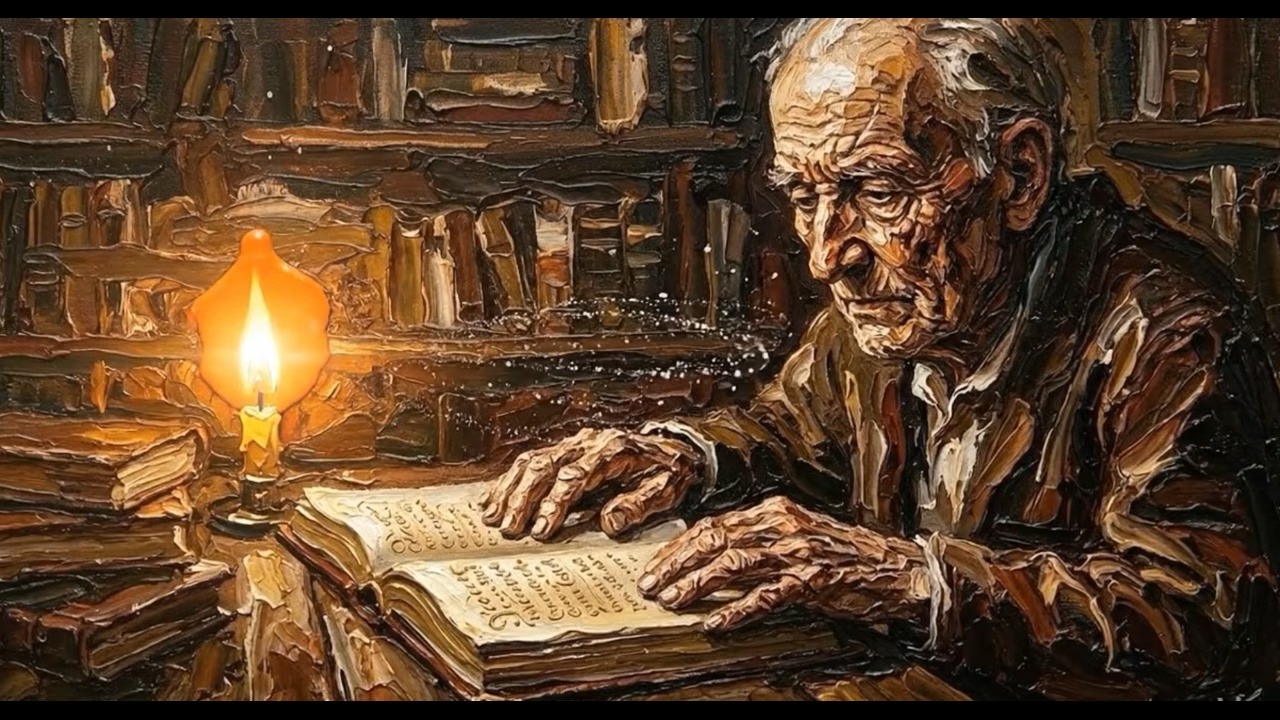
The history of art is a story of continuous innovation, and we are currently in the midst of a new chapter. By combining the techniques of the old masters with the digital physics of the modern age, artists are creating work that challenges our perceptions. This synthesis of classical expressionism and digital motion creates a new type of canvas—one that is both tactile and dynamic, grounded and ethereal.
The Foundation of Structural Weight
The structural foundation of a piece is what gives it its presence. For an artist, the challenge is to make the digital space feel as substantial as a physical gallery. Jean Boutin excels in this area, focusing on the weight of the medium to give his work its visceral depth. By simulating the look and feel of deep gouges and raw grain, he creates a canvas that feels as though it carries the history of human touch.
Animating the Surface
Once the structure is solid, the introduction of motion provides the lifeblood of the piece. By mastering light simulation, Yversen François ensures that the paint evolves naturally. This is not simple animation; it is a complex simulation of how paint responds to the environment. The result is a work that feels as though it is breathing, reacting to the viewer’s presence with subtle shifts in light and pigment
Preserving the Material Integrity
A central goal in this style is the preservation of material integrity. By retaining the appearance of massive, thick globs of oil and rough burlap, the work avoids the pitfalls of digital flatness. This grit provides the visual evidence of the artist’s labor, creating an emotional anchor that allows the viewer to connect with the work on a deeper, more personal level despite the advanced technological tools involved.
Paris and the Pursuit of Beauty
Operating from their studio in Paris, this duo draws upon a long heritage of artistic pursuit to create their visual poems. Their work is a celebration of the painter’s craft, exploring themes like cosmic solitude and the depth of human emotion. By creating art that lives and changes, they invite us to witness the beauty of a canvas that is constantly evolving, proving that technology can be a powerful partner to traditional expression.
Conclusion
The fusion of the physical and the digital is creating a new standard for fine art. By maintaining the weight of the medium and the grace of motion, these artists have produced a body of work that is both innovative and deeply human. As we look toward the future, this approach ensures that the art of the coming generations will be as evocative and enduring as the masterpieces of our past.
